
Are you selling as a couple with your partner? Want to add your teenage daughter to the family account? Officially, Vinted’s terms and conditions state one account = one person. However, in practice, the line is blurrier than you might think, and there are risks to be aware of before sharing. Here are the rules, the real consequences, and the best alternatives in 2026.
What Vinted’s T&Cs Say
Article 4.1 of Vinted’s T&Cs (updated 2025):
“The account is strictly personal. The User agrees not to assign, lend, transfer, or share their account with a third party. Vinted reserves the right to suspend any account showing signs of sharing between multiple individuals.”
In short: strict prohibition. But Vinted does not actively monitor the behaviors of couples or families unless:
- Multiple very different IP addresses access the account
- The profile changes drastically (style, brands)
- A user report is made
- Transactions far exceed the “individual” profile
Case #1: Couple Sharing an Account
This is the most common scenario. You list your items + your partner’s items on the same profile.
Risk on Vinted’s Side
- Low if you stay under 50 sales/year and the profile remains consistent
- Moderate if you mix men’s and women’s fashion without explanation (signal of sharing)
- High if you add “my partner and I are clearing out our stuff” in your bio (Vinted may suspend)
Tax Risk
This is where it gets complicated. The account is in the name of one person (the one who registered). For tax purposes:
- All income reported via DAC7 is attributed to that person
- If you exceed €2,000/year, they will need to justify
- If part of the income actually comes from the other partner, you are in a gray area (household income is declared together in France, so it’s okay tax-wise, but administratively it’s confusing)
Our advice: open one account per person, even if you manage the sales together. It avoids any ambiguity.
Case #2: Parent Selling for Their Minor Child
Do you want to help your 14-year-old daughter sell her clothes?
Vinted Rule: minimum age is 18 years to have a personal account. Between 16 and 18 years, an account can be created with parental permission, but this is rarely verified.
Concrete Solutions:
| Solution | Legal? | Practical? |
|---|---|---|
| Open an account in the parent’s name and sell the child’s items | ✅ Yes (parent’s account, family items) | Good if the child is under 16 |
| Help a child over 16 open their own account | ✅ Yes (with parental permission) | Good if the teen wants to manage alone |
| Open an account in the child’s name under 16 (lying) | ❌ No against T&Cs | Risk of suspension |
Tax Aspect for Selling Children
If the teen sells > €305/year of their own items (personal wardrobe), it’s tax-free. If it exceeds €2,000: parents need to declare (household income).
Case #3: Extended Family (Siblings, Cousins)
Bad idea. Here’s why:
- Different IP addresses alert the anti-fraud algorithm
- Very different styles, brands, sizes betray sharing
- Vinted Pro (DAC7) cannot be applied to multiple people
- Risk of internal disputes: who pays the tax, who receives the money?
Our recommendation: one account per person, period. It’s simpler, more legal, and everyone maintains control over their activity.
Case #4: “Shop” Account Managed by Two People (Couple in Resale)
If you have a professional buying and reselling activity conducted by two (for example, a couple reselling vintage items), the best approach is:
- Create a micro-enterprise by one of the two (SIRET status)
- Vinted account in that person’s name
- The partner can help without being listed (possible “collaborating spouse” status)
- Accounting kept up to date by the registered person
This structure legalizes the sharing in practice and allows Vinted Pro to operate without risk.
See Vinted Pro vs individual: revenue threshold and Vinted for Professionals.
Consequences of Account Suspension
If Vinted detects sharing and suspends your account:
- Money on hold in the account: Vinted will ask you to prove your identity before unlocking
- Items in transit: transactions will normally complete
- Items for sale: automatically removed
- Buyer history: retained but the account remains suspended
- Re-creating an account: Vinted often blocks new accounts from the same IP/payment
A suspension is rarely reversible without intervention from a lawyer or a written report with justifications.
The Best Alternative in 2026: Vinkit Team
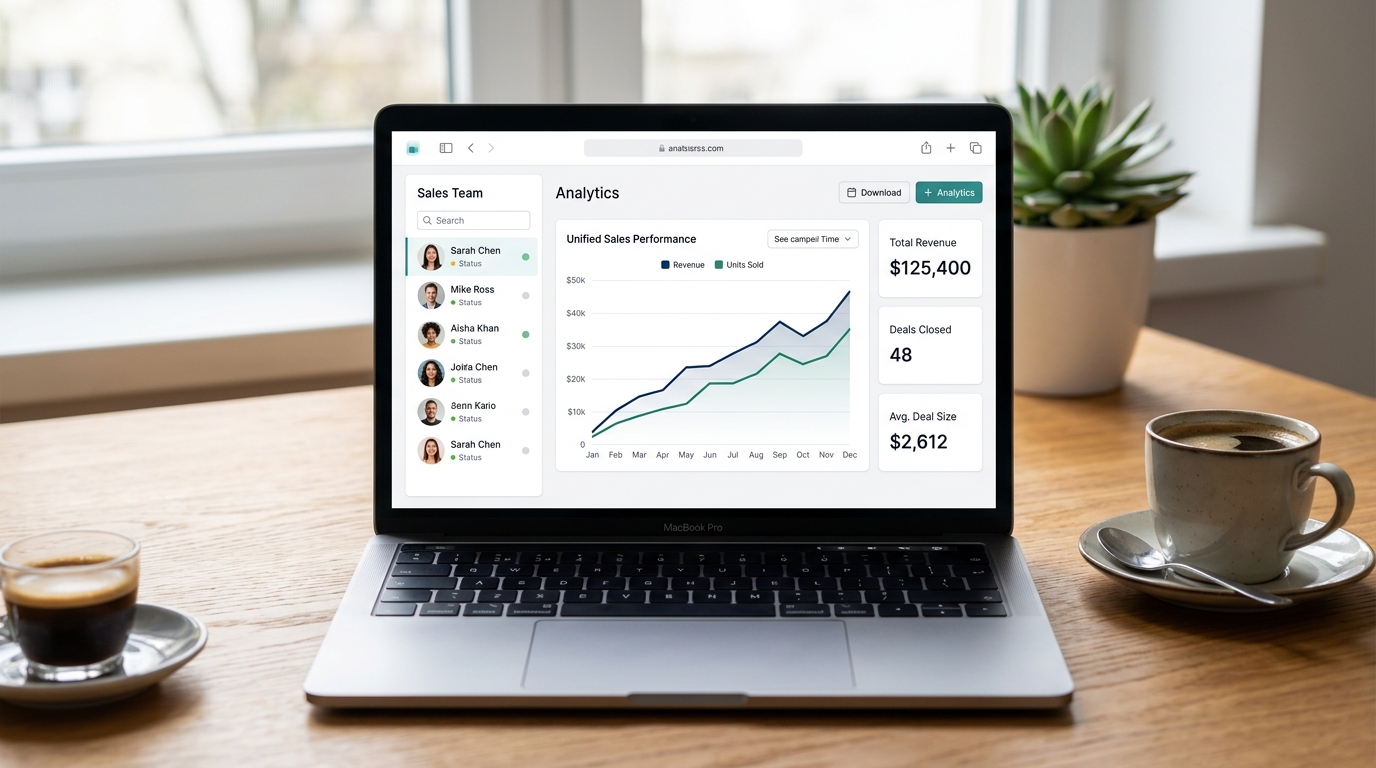
If you want to manage multiple Vinted accounts (for example, one account per family member, or one account per partner), CRM tools like Vinkit now allow for an aggregated view without sharing accounts.
With Vinkit’s Team feature (available in Pro version since 2026):
- Each person keeps their own Vinted account
- A single Vinkit dashboard aggregates sales, stock, finances
- Differentiated roles (admin, finance, viewer)
- Legal and without risk of suspension
This is the clean solution for couples who want to manage their sales together without violating the T&Cs.
FAQ
Can Vinted really detect a shared account? Yes, through IP addresses, login times, changes in style/brands, and reports. The real risk is low for personal use as a couple, but it exists.
If my partner occasionally sells from my account, is that serious? No, in practice. But declare your income correctly: everything that goes through your account is technically in your name under DAC7.
Can my 15-year-old create their account on their own? No, the minimum age is 18 (or 16 with written parental permission). Vinted does not systematically ask for age verification, but it remains against the T&Cs.
I sell for my elderly mother who doesn’t use the internet, can I create an account in her name? If she gives you written power of attorney and she receives the income, yes. But opening an account in your name to sell her items is simpler and just as legal (family items).
What is the best practice for couples selling together? Two distinct Vinted accounts + a shared CRM tool (like Vinkit Team) for the aggregated view. No risk of suspension, clear accounting if thresholds are exceeded.
In Summary
Vinted’s T&Cs strictly prohibit account sharing, but in practice:
- A couple sharing a phone to post occasionally: low risk, minimal Vinted monitoring
- A “family” account with mixed women’s + men’s + teen fashion: moderate risk, to be avoided
- Regular shared activity: open 2 accounts or a proper professional status
The best approach in 2026 remains one account per person + an aggregated management tool for an overall view. It’s legal, without risk, and clearer tax-wise.
Next to read: Vinted Pro vs individual: revenue threshold · Vinted tax obligations · I sold €8,000 on Vinted in 6 months


